
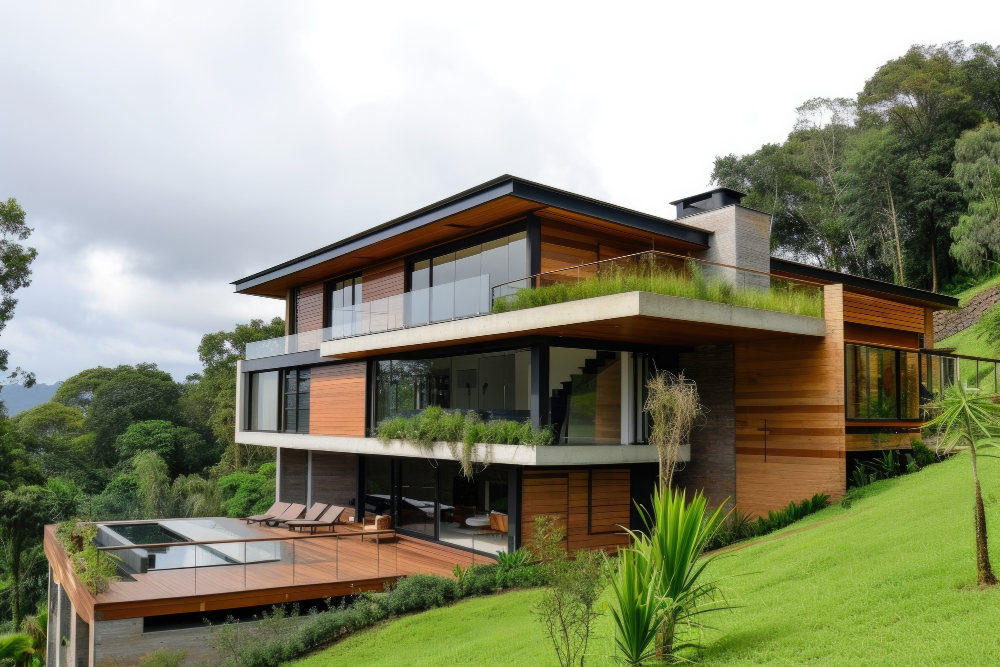
In Sydney’s competitive property market, the base price of a new home can look very appealing at first glance. But for many families building in areas like the Hills District, Marsden Park, or South West Sydney, the final cost of construction can differ significantly from the number seen in the initial brochure.
This doesn’t mean something has gone wrong, it simply reflects the many factors involved in turning a piece of land into a finished home.
At Ruby Homes, we believe transparency is the foundation of a great building experience. Understanding these potential costs early allows you to plan confidently and avoid surprises later in the process. To help you build with confidence, we’ve pulled back the curtain on the “hidden” expenses that can quietly inflate a budget by tens of thousands if not accounted for early.
1. Site Costs: Preparing the Land for Construction
Site costs are one of the most common reasons budgets increase during a project. While the base price covers the house itself, site costs relate to the work required to prepare your specific block of land for building.
Soil and Contour Testing
Before construction begins, engineers conduct soil testing to determine the ground conditions. In many parts of Sydney, reactive clay soils (classified as Class H or E) may require reinforced foundations or specialised slab designs. If rock is present beneath the surface, excavation costs may also increase.
Sloping Blocks
Sydney’s landscape often includes sloping terrain. To create a stable building platform, builders may need to perform cut-and-fill operations or construct retaining walls.
Site Clearing
Removing trees, vegetation, old fencing, or debris is sometimes necessary before construction can begin. In some cases, permits may also be required if protected vegetation is present.
2. Council Approvals and Compliance Costs
Before construction can begin, your project must meet local planning regulations and obtain approval from the relevant authority.
In Sydney, this typically involves councils such as:
- The Hills Shire Council
- Blacktown City Council
- Camden Council
Development Approval Fees
Depending on the project, you may require either a Development Application (DA) or a Complying Development Certificate (CDC). These approvals involve statutory fees that vary based on the project’s value and complexity.
BASIX Requirements
All new homes in NSW must comply with the BASIX sustainability standards. This may require specific design elements such as improved insulation, double-glazed windows, or rainwater tanks.
Infrastructure Contributions
Previously known as Section 94 contributions, infrastructure levies are sometimes applied to support community facilities such as roads, parks, and drainage systems in growing suburbs.
3. Utility Connections and Services
Your home will also need to connect to essential services before it becomes fully functional.
Electricity
If the nearest electrical connection point is some distance from your property, additional work may be required to extend the network through new poles or underground cabling.
NBN and Telecommunications
New developments typically include connection charges for the National Broadband Network.
Temporary Site Services
During construction, temporary services are required for trades working on-site. These may include temporary power, water supply, and portable site amenities.
4. The “Post-Handover” Essentials
Some features that homeowners expect to be included in the final price may actually fall outside the building contract.
Driveways and External Paths
Concrete driveways, pathways, or decorative finishes are sometimes excluded from base building contracts. In Sydney, a standard driveway may range between $5,000 and $10,000 depending on size, slope, and finish.
Window Furnishings
While windows are installed during construction, items such as blinds, shutters, and curtains are often organised separately by the homeowner.
Landscaping and Fencing
Turfing, garden beds, and boundary fencing are commonly arranged after construction and can add additional costs before moving in.
5. Variations and Prime Cost (PC) Allowances
Many building contracts include allowances known as Prime Cost (PC) items or Provisional Sums (PS). These represent estimated budgets for items that have not yet been selected at the time of signing the contract.
For example:
- Tiles
- Tapware
- Appliances
- Cabinet finishes
If you later choose products that exceed the original allowance, the difference is charged as a variation.
Additionally, builders may apply administrative fees for contract changes made after construction begins.
How to Avoid Budget Surprises
While some variables are unavoidable, there are several ways to manage your budget effectively when building a home.
Request a Fixed-Price Tender
A detailed site assessment early in the process helps reduce the likelihood of unexpected costs later.
Review the Inclusions Carefully
Understanding exactly what is included in each building range (Emerald, Sapphire, or Ruby) helps you compare options accurately.
Allow a Contingency Buffer
Setting aside around 10% of your construction budget can help cover unforeseen expenses during the build.
Work with a Transparent Builder
Builders who encourage inspections and provide detailed documentation are usually committed to delivering a clear and accountable process.
Build With Confidence
Building a home should be an exciting experience, not one filled with uncertainty.
At Ruby Homes, our focus is on clarity, quality, and transparency from the very beginning. By understanding the full picture of construction costs, you can make informed decisions and create a home that suits both your lifestyle and your budget.